
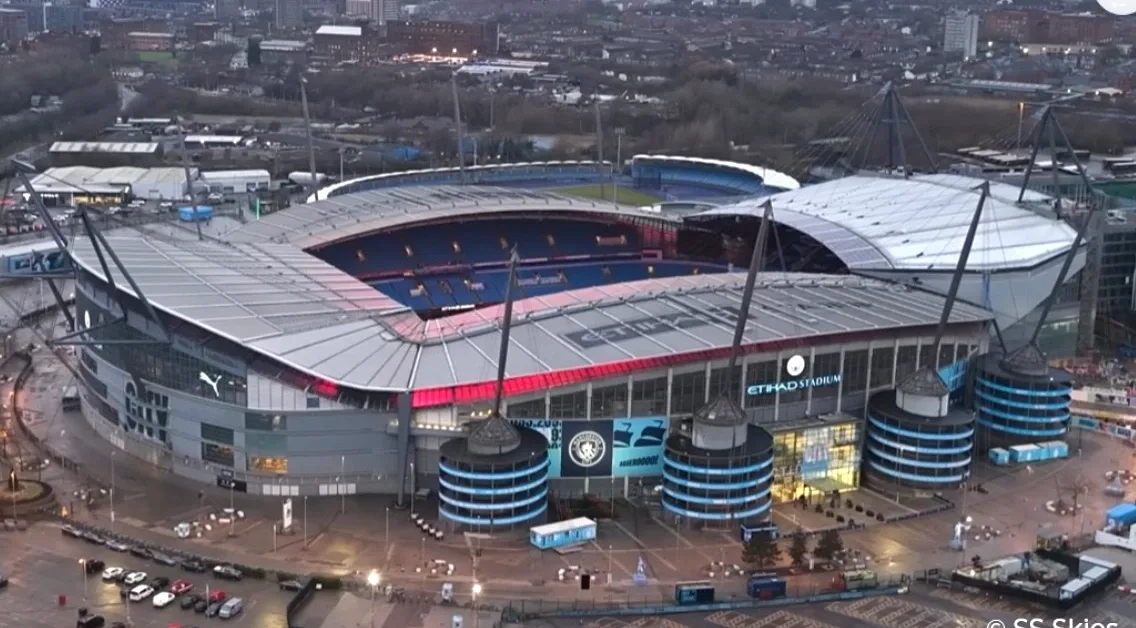
Manchester City are reportedly on the verge of completing a blockbuster signing, with Nottingham Forest midfielder Elliot Anderson closing in on a move to the Etihad. According to reports from Gazzetta dello Sport, the 23-year-old England international is valued at around £150 million, making him one of the most expensive transfers in Premier League history. Medicals are expected to take place in the United States as City’s pre-season tour continues.
Anderson has been a standout performer for Forest, attracting interest from several top clubs, including Manchester United. However, it appears City have won the race for his signature, with Enzo Maresca keen to add depth and creativity to his midfield options. The deal, if completed, would represent a significant statement of intent from the reigning Premier League champions.
But the ripple effects of this transfer extend beyond Manchester. Forest, having lost their star midfielder, will need to reinvest the substantial funds. Reports suggest they have set their sights on Inter Milan’s Davide Frattesi, a player valued at around €25 million. The Italian international has struggled for game time at the San Siro and could be available for the right price.
For Inter, selling Frattesi would not only bring in much-needed cash but also free up space in their midfield. The Nerazzurri are reportedly interested in Liverpool’s Curtis Jones, who came close to joining them in the January transfer window. With Frattesi’s potential departure, Inter could finally secure Jones, who has already agreed personal terms with the Serie A champions.
While the Anderson-to-City deal is not yet official, it highlights the interconnected nature of the modern transfer market. For City fans, the focus remains on how the new signing will fit into Maresca’s system. Anderson’s versatility—capable of playing as a central midfielder or on the left flank—could provide valuable tactical flexibility.
As always, we’ll keep you updated on any developments. For now, it’s a story that underscores City’s ambition and the far-reaching consequences of their transfer activity.